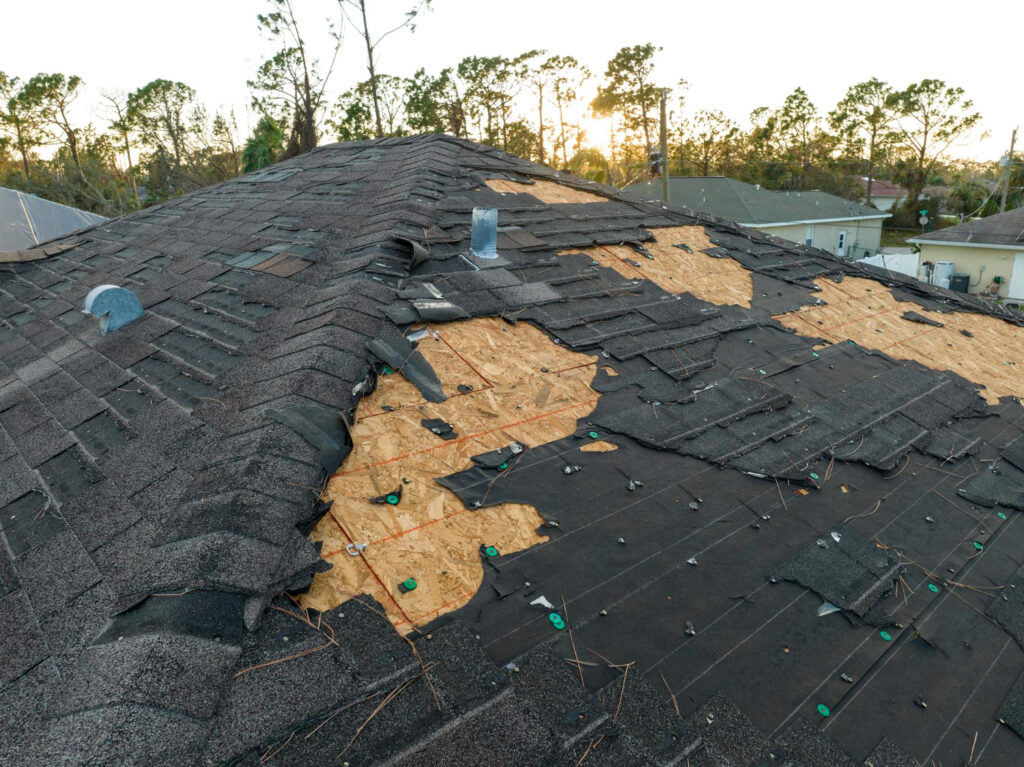
Storms can hit fast and leave behind a mess no one expected. Roofs take the brunt of heavy winds, rain, and falling branches. After a storm passes, many homeowners are unsure where to begin. Questions about insurance, repairs, and next steps can pile up quickly, especially during a roof repair emergency.
We understand how confusing this process can be. You’re already dealing with the stress of damage, and now there’s paperwork, phone calls, and timelines to think about. Our team offers free roof inspections and insurance claim assistance, so you do not have to sort through everything on your own. Knowing what to do ahead of time can make a big difference when the next storm rolls through Pearland, TX. Let’s walk through it together.
What to Do Right After a Storm
The first thing to think about is safety. Do not climb onto the roof or touch downed wires or debris. Look around from a safe distance. Check inside your home for leaks or water where it should not be. Step outside and try to spot anything unusual, like shingles in the yard or branches hanging near the house.
Some damage is not easy to see from the ground. Even if your roof looks okay, small cracks or lifted panels could still lead to leaks later. That is why calling someone trained to inspect roofs is always a smart move, especially during a roof repair emergency. Waiting too long might let small problems grow.
Knowing What Your Policy Covers
Homeowners insurance usually covers storm damage, but policies are all a little different. The type of coverage you have can affect how much the insurance company pays and what kinds of repairs are approved.
Here are a few things to check in your policy:
- If wind, hail, or fallen trees are included
- Any limits based on age or type of material used on your roof
- Deductibles for storm claims in your area
We recommend reviewing your policy when the sky is clear. That way, if a storm happens, you already know your plan and what steps to take. Understanding this will help you move a little faster when time matters most.
How the Insurance Claim Process Works
The steps in the claims process usually follow a basic order, and being ready at each stage helps things go smoother. Here is what most people experience after a big storm:
- Document what you see. Take photos from different spots and write down the date and time.
- If there is visible damage, contact your insurance company to report it.
- An adjuster may visit your property to check for themselves.
- You will get an estimate or claim approval based on what the adjuster finds.
- Then the repairs can begin once insurance gives the green light.
Keep every document in one place. That includes any notes, photos, or receipts related to the storm. Insurance companies work through many claims after major weather events, so having your records ready can help avoid delays. We often help homeowners gather this information and work with their adjusters, so the claim moves forward with fewer back and forth questions. The sooner everything is submitted, the sooner repair work can be approved.
Common Mistakes That Delay Your Claim
Heavy weather catches most people off guard. It is easy to miss a step or wait too long to act, but small errors can slow down the entire process.
Try to avoid these common mistakes:
- Waiting too long to report damage
- Not getting a roof inspection before filing a claim
- Forgetting to take photos of the damage
- Missing paperwork or not fully answering requests from your insurer
- Hiring someone who is not licensed or verified
Getting help early reduces the risk of these delays. When you have someone who knows what to look for and how to talk to insurance groups, it makes the process more manageable.
Why Local Roofing Help Makes a Difference
Pearland, TX, experiences a mix of weather throughout the year. From Gulf storms to sudden downpours, local crews understand how these patterns affect roofs over time. That background helps when sorting through storm damage and insurance questions.
Some roofing issues are easy to overlook, especially when you are not sure what counts as “damage” in an insurance report. A crew familiar with Southeast Texas can spot early wear and tear and explain how it lines up with policy terms. They also know what paperwork adjusters are looking for and how long common storm-related claims take to process. For urgent situations, Soto’s Roofing offers emergency roof installation and repairs in Pearland, TX, and typically responds to local calls within about 20 to 35 minutes to help limit further damage.
Working with a team near home means quicker communication and fewer surprises. They have likely dealt with the same storm in your neighborhood and understand what other homeowners are facing at the same time.
Peace of Mind After the Storm
Storm season in Pearland, TX, can feel overwhelming. But with clear steps and some early preparation, dealing with a roof repair emergency does not have to be so stressful. Knowing how your insurance works, what to do right away, and who can help puts you in a better place to recover quickly.
Repairs move faster and feel less overwhelming when you are not doing it all alone. Taking action right after a storm gives your home the support it needs to stay strong through the next round of weather, without adding extra worry.
When storms hit Pearland, TX, we know how fast things can turn into a mess, especially when you’re dealing with unexpected roof damage. If you are facing leaks or missing shingles, acting quickly can help your home stay protected while your insurance catches up. That is why during a roof repair emergency, it is smart to lean on local support that understands what needs to happen and when. At Soto’s Roofing, we are here to help guide that next step. Contact us today and let us take care of your roof before the damage gets worse.