
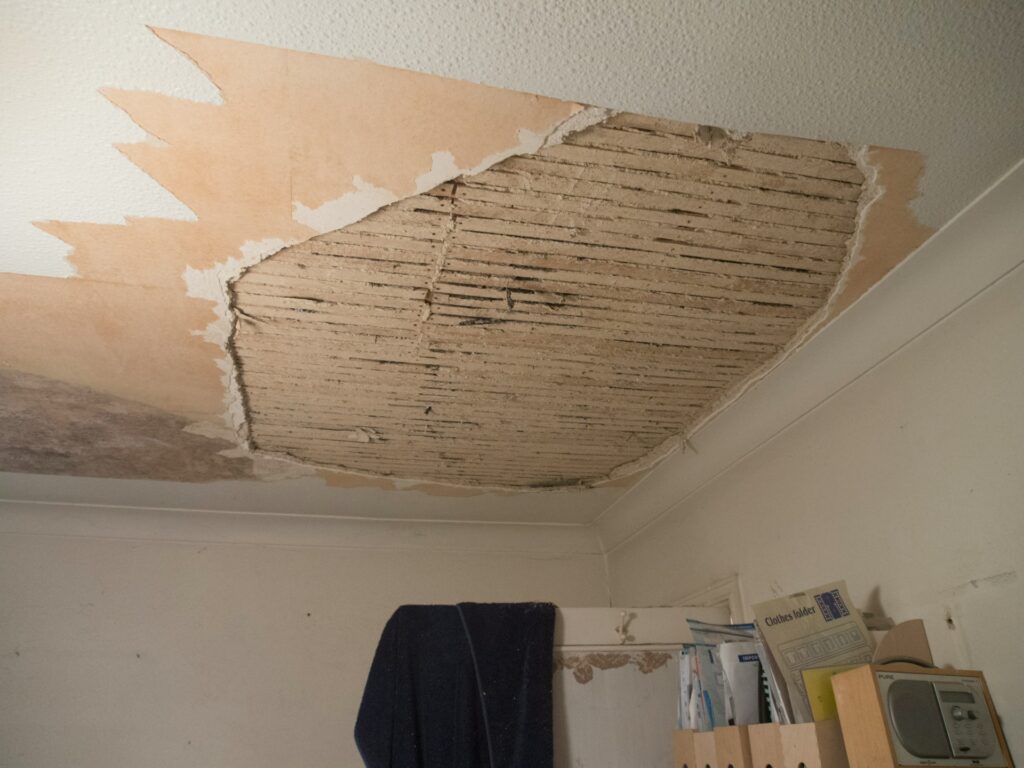
After a strong Gulf Coast storm, one of the first things many of us notice is a leak in the ceiling or damp spots we hadn’t seen before. When heavy rain and strong wind pass through areas like Pearland, TX, roof problems often follow. Emergency roof leak repair becomes a top concern, especially when the damage isn’t all that easy to spot at first glance.
Storms can tear shingles, dislodge flashing, and send water into places it doesn’t belong. The trouble is, the signs aren’t always clear right away. We’ve put together some helpful info to explain why leaks happen after a storm, what damage to look for, and how acting quickly can spare your home bigger problems down the line. Our team has been serving the Greater Houston area since 1987, so we have seen how important it is to catch this kind of damage early.
Common Storm Damage That Leads to Roof Leaks
When heavy storms move across the Gulf Coast, they don’t usually come quietly. Roofs take a direct hit during strong weather, and certain kinds of damage can lead to leaks:
• High winds can lift or snap shingles, leaving open spots where water can sneak through
• Flying debris like limbs or loose objects can strike the roof, cracking or denting its surface
• Hard rain, especially when driven by wind, can push into weak areas like vents or seams
Even small gaps can turn into real trouble during a downpour. Just one patch of missing shingles might not look like a big deal, but if it leaves your underlayment or decking exposed, water will find its way in quickly. The faster the storm moves through, the less time damage has to spread, but that doesn’t mean it won’t show up later.
Why Gutters and Flashing Can Fail During a Storm
Sometimes, what causes a leak isn’t the roof surface at all but the system around it. Gutters and flashing play a big part in keeping your home dry, and both can get messed up fast during a storm.
Here’s how things can go wrong:
• Gutters full of leaves or debris back up, making water overflow and push under shingles
• Flashing that’s cracked, bent, or not sealed well, especially around chimneys or vents, lets rain in
• Strong wind can rip loose flashing off or nudge it out of place without much warning
Because water aims for the path of least resistance, one small opening near flashing can end up causing stains inside your house before you even know it’s there. Same with gutters. If water’s not flowing away like it should, all that run-off starts looking for another way out, and that way might be down your walls.
Hidden Roof Damage You Might Not See Right Away
The tricky part with roof leaks is they don’t always show up the day after a storm. Some damage hides under the surface or takes a while to leak through to the inside of your home.
Here are some signs and causes of less obvious roof issues:
• Small cracks, holes, or splitting shingles may not leak right away but soak through over time
• Moisture can build under your roofing layers, weakening them bit by bit before leaks appear
• Inside your attic, water stains, soft insulation, or musty air can point to problems above
If there was a big storm recently, and everything on the ceiling still looks dry, it’s tempting to assume all is fine. But waiting for water stains to show up might mean you’ve let moisture settle in too long. Regular checks upstairs, even just a peek at your attic, can tell you things the roof surface won’t.
How Emergency Roof Leak Repair Helps Protect Your Home
When it comes to fixing leaks fast after a storm, timing matters more than anything. Emergency roof leak repair isn’t just about patching up a spot, it’s a way to keep small damage from turning into something that spreads through your home. That process often starts with a free roof inspection so you have a clear picture of what the storm did to your roof before repairs begin.
This kind of fast repair work can help in a few important ways:
• Stops water from dripping into your walls, ceilings, or insulation, which can lower air quality or weaken the structure
• Helps block mold from forming inside your attic or wall layers, which can grow after just a couple days of dampness
• Gives roof techs a chance to catch other problems from the storm while they’re working, so nothing big sneaks past
The sooner a leak is fixed, the less risk it has to lead to other damage. Letting it sit or waiting for it to stop on its own doesn’t work. Storm water has a way of finding its path, and once it gets inside, it starts breaking things down quickly.
What to Watch for After a Gulf Coast Storm
If a strong storm just moved through Pearland, TX, it’s a good idea to give your home a once-over, even if nothing looks wrong at first. Some of the signs of a leak might take a few days to appear, but others can show right away if you know where to look.
Keep an eye out for signs like these:
• Water stains on your ceiling or walls, even faint ones
• Drooping drywall or small bubbles in the paint
• Shingles you find on the ground or spots where the roof looks uneven
• Dripping sounds in the attic or new, unexplained humidity indoors
It’s easy to wait on a roof check when everything looks normal from the sidewalk. But a quick visual inspection after a storm goes a long way. Even just noticing that your gutters are full or spotting a cracked vent cap could be enough reason for a closer look.
Stay Ahead of Storm Damage With a Fast Response
Storms don’t always show their damage right away. Leaks often start small, but they rarely stay that way once water gets in and spreads around. A speedy response after the skies clear can make the difference between a small fix and major repairs later on. With 24/7 emergency roofing help available in Pearland, TX, and response times that are usually around 20 to 35 minutes, you do not have to wait long to get temporary protection in place and plan permanent repairs.
Getting emergency roof leak repair done when the problem is still fresh helps protect your home from deeper damage. And knowing what to look out for makes it easier to act before water gets worse. Storms may be out of our hands, but knowing how to spot signs of trouble gives us the chance to stay one step ahead.
Storms in Pearland, TX can cause hidden roof damage, and acting quickly can save you from bigger headaches down the road. Even if there are no visible leaks, unseen moisture might already be at work. A fast inspection or timely repair helps keep your home and family protected. When you need reliable emergency roof leak repair, count on Soto’s Roofing for prompt service and expert guidance. Reach out today to schedule your inspection or get answers to your roofing questions.